
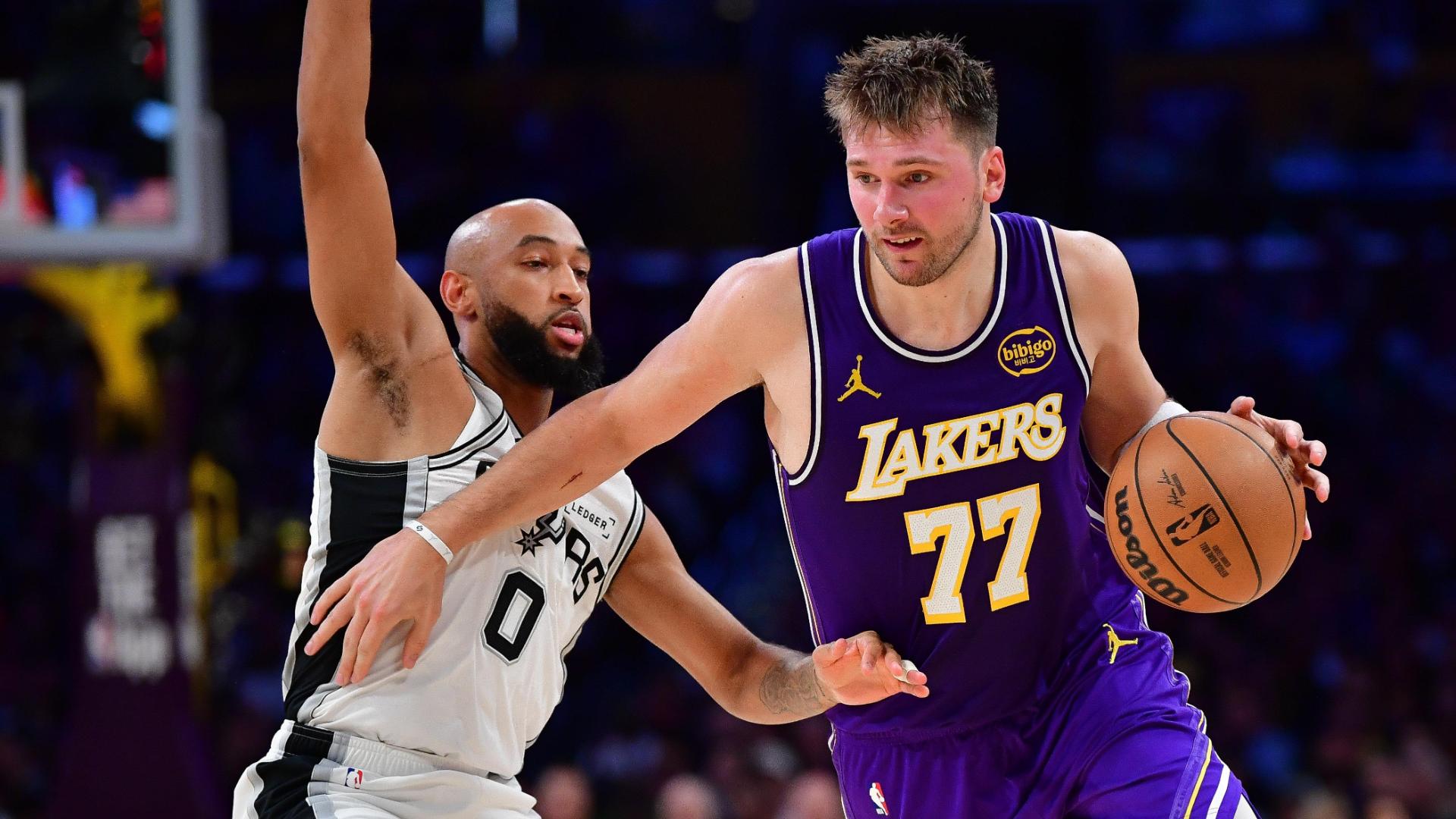
Lakers vs San Antonio spurs match player stats provide a detailed view of how this exciting NBA matchup played out. From tip-off, Los Angeles relied on star scoring, fast-break efficiency, and strategic ball movement, while San Antonio utilized precision shooting, disciplined defense, and smart rotations to counter the Lakers’ offensive pressure. Every possession mattered, and the statistics capture the ebb and flow, standout performances, and coaching adjustments that shaped the final result.
For fans, analysts, and fantasy basketball enthusiasts, these stats show how efficiency, decision-making, and teamwork contributed to the outcome. Shooting percentages, rebounds, assists, steals, and turnovers all paint a clear picture of the game’s narrative.
Pre-game expectations and player matchups
Before the matchup, analysts focused on key player duels. The Lakers’ star forward faced the Spurs’ top defender, while San Antonio’s point guard tried to control tempo and create scoring opportunities. Early statistical projections suggested which team might dominate pace, offensive efficiency, and defensive impact.
San Antonio aimed to leverage spacing and perimeter shooting, while the Lakers relied on inside-out offense and transition opportunities. These strategies became evident in the Lakers vs San Antonio spurs match player stats.
First-quarter performance and momentum swings
The opening quarter established the rhythm of the game. Los Angeles focused on high-percentage shots near the rim and quick ball movement to find open shooters. Early assists, turnovers, and field goal percentages reflected the initial tactical approach of both teams.
San Antonio responded with disciplined ball movement and effective off-ball screens, creating open shots from the perimeter. Rebounding statistics indicated which team would control possessions and influence second-chance opportunities, shaping the momentum for the following quarters.
Lakers vs San Antonio spurs match player stats reveal scoring efficiency
Lakers’ offensive leaders combined scoring and playmaking, reflected in shooting percentages, assists, and points per possession. Bench contributions provided energy, timely scoring, and defensive effort, keeping Los Angeles competitive throughout the contest.
San Antonio relied on high-efficiency shooting and spacing to maximize scoring opportunities. True shooting percentages, effective field goal percentage, and assist-to-turnover ratios revealed which possessions converted into points and which stalled under defensive pressure.
Defensive highlights and statistical impact
Defense played a major role. Lakers defenders contested shots, forced turnovers, and controlled the paint, evident in steals, blocks, and opponent field goal percentages. San Antonio’s defensive rotations and perimeter pressure limited Lakers’ open shots and controlled transition opportunities.
Rebounding statistics highlighted how teams controlled second-chance points. Offensive boards for the Spurs created additional scoring opportunities, while defensive rebounds for the Lakers prevented extended possessions, showing the impact of discipline and execution on overall game stats.
Point guard performance and floor leadership
Point guards dictated pace and flow. The Lakers’ floor general distributed the ball, maintained possession efficiency, and minimized turnovers. San Antonio’s lead guard balanced attack with disciplined decision-making, facilitating scoring opportunities for teammates.
Assist-to-turnover ratios, plus-minus metrics, and high-percentage shot creation highlighted how point guard performance influenced the Lakers vs San Antonio spurs match player stats, demonstrating situational awareness and leadership.
Mid-game adjustments and trends
Coaching adjustments at halftime shaped the second half. Los Angeles increased ball movement, set more screens, and focused on spacing for perimeter shots. San Antonio altered defensive schemes to contest drives, improve rotations, and exploit matchup advantages.
Statistical trends, such as shooting efficiency, offensive rating, and rebound totals, reflected these strategic changes. Bench rotations contributed in key moments, influencing momentum and providing necessary energy boosts.
Shooting efficiency and scoring trends
Shooting percentages, three-point accuracy, and free-throw efficiency were critical. The Lakers leveraged high-percentage inside shots and transition opportunities, while the Spurs relied on spacing, ball movement, and perimeter shooting to stay competitive.
Turnovers and fast-break points impacted the statistical momentum. Both teams converted scoring opportunities with varying efficiency, and these differences often determined the flow of the game.
Lakers vs San Antonio spurs match player stats in late-game performance
Clutch-time execution defined the final quarter. The Lakers maintained spacing, utilized pick-and-roll plays, and relied on veteran poise to create high-quality shots. San Antonio focused on ball movement and perimeter spacing to generate open opportunities and pressure Los Angeles’ defense.
Defensive stops, offensive rebounds, and timely assists were crucial in the closing minutes. Plus-minus metrics and possession efficiency stats illustrated how individual and bench contributions influenced the final outcome.
Bench performance and rotation strategies
Bench players provided significant contributions. The Lakers’ reserves delivered scoring bursts and defensive intensity, while San Antonio’s bench stabilized the game, providing critical minutes in both offense and defense.
Minute distribution and rotation patterns directly influenced overall performance, evident in statistical outputs and efficiency metrics. Bench impact demonstrated the importance of depth in competitive NBA matchups.
Fan reactions and atmosphere
Fans experienced excitement with every momentum swing, reflected in live stats. Runs, defensive stops, and clutch plays shaped the atmosphere, both in the arena and on social media.
The Lakers vs San Antonio spurs match player stats allowed fans and analysts to understand efficiency, standout player contributions, and team execution, providing insight into the game beyond the box score.
Season context and broader implications
This matchup offered insights beyond one contest. The Lakers showcased offensive versatility, transition efficiency, and veteran leadership, while the Spurs highlighted defensive discipline, perimeter shooting, and tactical execution.
Comparing these stats to previous games revealed trends in player performance, rotation efficiency, and matchup advantages. Advanced metrics like net rating, offensive and defensive efficiency, and plus-minus reflect team strengths and areas for improvement.
Why these stats matter
Match player stats quantify performance, revealing preparation, discipline, and execution. Coaches, analysts, and fans use these metrics to understand nuances in performance, player development, and team identity.
The Lakers vs San Antonio spurs match player stats illustrate how teamwork, decision-making, and efficiency collectively determine game outcomes. Every rebound, assist, steal, and basket contributes to the narrative of a competitive NBA season.
Read also:
Tampa bay rays vs New York Yankees match player stats reveal the game story