
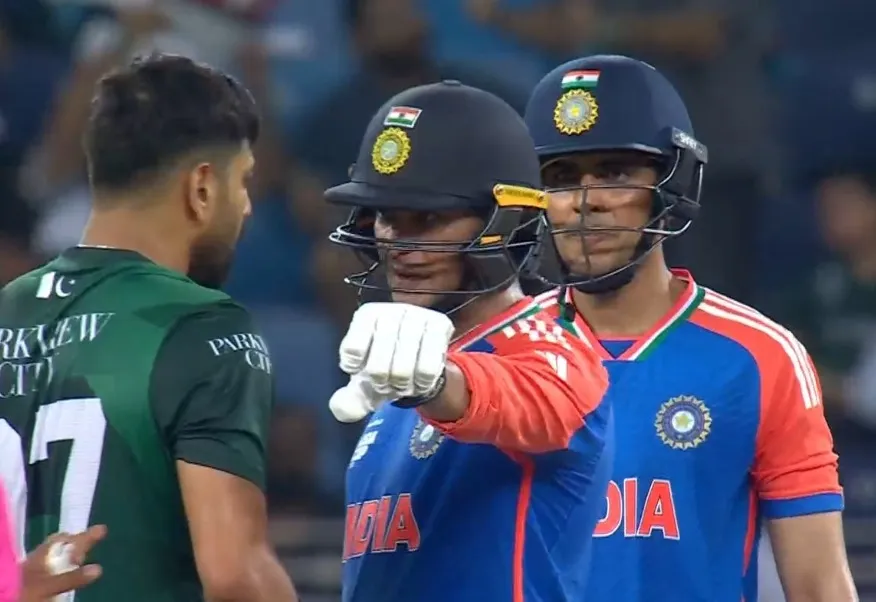
Final Whistle Drama is the invisible thread that binds every sports fan to their seat, creating a tension so thick it can be felt in the very air of the stadium. There is something primal about those last sixty seconds of a match when the clock is no longer a friend but a relentless enemy. Whether you are standing on a freezing terrace or clutching a pillow on your sofa, the psychological weight of a game hanging in the balance is a universal experience. It is the moment where logic disappears and raw instinct takes over, turning ordinary athletes into immortal legends or tragic figures of what-could-have-been. This unique atmosphere is why we invest so much of our emotional energy into sports, chasing that specific high that only a last-gasp victory can provide.
I remember sitting in a crowded pub in 2012 when the Premier League title was decided in the final seconds of the season. The silence was deafening as Manchester City entered injury time needing two goals to win the league. The air was thick with the scent of spilled beer and nervous sweat. When that winning goal finally hit the back of the net at 93:20, the explosion of noise was not just a cheer; it was a collective release of months of built-up anxiety. That is the essence of Final Whistle Drama. It is the bridge between a season of hard work and a single moment of pure, unadulterated ecstasy.
The beauty of this phenomenon lies in its unpredictability, as no amount of statistical analysis or expert forecasting can account for the chaos of the closing moments. In these windows of time, the tactical diagrams of the world’s best coaches often go out the window in favor of “Route One” football or desperate long-range shots. Players who are physically exhausted find a reservoir of energy they didn’t know existed, driven by the fear of failure and the scent of glory. This transition from a structured game to a wild scramble is what creates the most memorable narratives in sporting history.
The Psychology of the Last Minute Charge
Understanding why a team suddenly finds a higher gear in the dying moments requires a look into the human psyche under extreme pressure. When the end of a match is imminent, the brain enters a “now or never” state that suppresses the feeling of physical pain and fatigue. This is often when we see defenders making lunging tackles they would never attempt in the first half or strikers finding clinical precision while their legs are shaking from exertion. The adrenaline spike is so significant that it can actually alter a player’s perception of time, making those few remaining minutes feel like an eternity.
For the team that is leading, the psychology is often the inverse, as they fall into a trap of “defensive anxiety.” Instead of continuing the play that gave them the lead, they retreat into a low block, inviting waves of pressure. Every cleared ball that comes right back into their half adds to a mounting sense of dread. It is a fascinating study in collective behavior, where the trailing team plays with a reckless abandon because they have nothing left to lose, while the leading team plays with a crippling fear because they have everything to lose.
Experience has shown that the most successful teams in history are those that can maintain a state of “controlled chaos” during these periods. Think of the legendary Manchester United squads under Sir Alex Ferguson, who became so synonymous with late goals that the term “Fergie Time” entered the global lexicon. Their success wasn’t just luck; it was a cultivated culture of belief. They knew they were going to score, and perhaps more importantly, their opponents knew it too. This psychological edge is a vital component of Final Whistle Drama, as it creates a self-fulfilling prophecy before the ball is even kicked.
Tactical Gambles and the High Stakes of Coaching
From a professional standpoint, the final five minutes of a game are where a manager truly earns their salary. The decisions made on the touchline can either be hailed as a stroke of genius or condemned as a catastrophic blunder. Does the coach bring on a tall defender to help clear crosses, or does he introduce a pacey winger to exploit a counter-attack? These tactical gambles are the lifeblood of late-game strategy. I have watched managers scream instructions that are completely lost in the roar of the crowd, relying instead on pre-arranged signals and the intelligence of their veteran players to navigate the storm.
The “Target Man” strategy remains one of the most effective tools for generating Final Whistle Drama. By pushing a physically imposing player into the opposition’s box, a team creates a focal point for long balls and desperate crosses. This often leads to a scramble where the ball bounces off three different players before trickling over the line. It isn’t always pretty, and it certainly isn’t the “beautiful game” in its purest form, but in the context of a championship race, the aesthetics of the goal matter significantly less than the fact that it was scored.
Trustworthiness in a team’s defensive structure is also tested to its absolute limit in these scenarios. A single lapse in concentration, a missed header, or a goalkeeper who hesitates for a fraction of a second can undo ninety minutes of perfect work. This is why experienced leaders on the pitch are so valuable; they act as the anchors for the group, keeping heads cool when the heart is racing. They are the ones demanding the ball and organizing the wall, ensuring that the team doesn’t buckle under the sheer weight of the moment.
The Sensory Experience of the Stadium Crowd
If you have ever been in a stadium during a period of intense late-game action, you know that it is a full-body experience. The sound changes from rhythmic chanting to a high-pitched, desperate roar that vibrates in your chest. You can see the collective movement of thousands of people leaning forward in unison, a human wave of anticipation. The visual cues—the referee looking at his watch, the fourth official holding up the board for added time, the goalkeeper sprinting forward for a late corner—all contribute to a sensory overload that makes the heart pound.
This atmosphere has a tangible impact on the officials as well, who are only human and subject to the same pressures as everyone else. The “home crowd effect” is a well-documented phenomenon where the sheer intensity of the fans can subtly influence the referee’s decision-making in the final moments. Whether it is awarding a soft penalty or allowing an extra thirty seconds of play, the energy of the crowd is a participant in the drama. This adds another layer of controversy and debate that keeps the match alive in the media for days afterward.
The smell of the stadium also plays a role in the memory of these moments—the scent of rain on the grass, the heavy aroma of fried food from the concourse, and even the faint smell of pyrotechnics if the fans are particularly exuberant. These sensory anchors mean that years later, a specific smell or sound can trigger a vivid flashback to a moment of Final Whistle Drama. It is this deep-rooted connection that turns casual spectators into lifelong members of a club’s community, bound together by shared memories of agony and triumph.
The Role of Technology and the VAR Era
We cannot discuss modern sporting drama without addressing the elephant in the room: the Video Assistant Referee. Technology was introduced to bring clarity and fairness to the game, but in many ways, it has introduced a new, more clinical form of anxiety. In the past, when the ball hit the net in the 95th minute, the celebration was instantaneous and absolute. Today, there is a “celebration gap”—a haunting period of uncertainty where players and fans wait for a silent official in a distant room to give the “all clear.”
This shift has fundamentally altered the rhythm of Final Whistle Drama. I have seen stadiums erupt in joy, only for that joy to be sucked out of the arena three minutes later when a goal is disallowed for a microscopic offside. It is a different kind of theatre, one defined by the tension of the screen rather than the action on the grass. While it ensures that the rules are followed more accurately, some argue that it is stripping away the spontaneous magic that makes the final whistle so special.
However, technology also provides the tools for us to appreciate the drama in greater detail. High-definition replays, heart-rate monitors on players, and real-time win-probability charts allow the modern fan to analyze the finish with the precision of a scientist. We can see the exact moment a defender’s legs gave out or the trajectory of a ball that defied the laws of physics. This data-driven approach doesn’t replace the emotion; it provides a framework for it, allowing us to understand the “how” and “why” behind the miracles we witness.
Historic Tales of Last-Minute Redemption
To truly appreciate the scope of this topic, one must look at the stories that have defined the sport. The 1999 Champions League Final between Manchester United and Bayern Munich is perhaps the gold standard of European drama. Trailing for almost the entire match, United scored twice in injury time to snatch the trophy from the Germans’ hands. The sight of the Bayern players collapsing on the pitch in total disbelief remains one of the most iconic images in sports history. It was a reminder that the game is never over until the referee brings the whistle to his lips.
Then there is the story of the 2011 Rugby World Cup final, or the countless buzzer-beaters in the NBA that have turned seasons around in a heartbeat. Each sport has its own version of the “dying seconds” miracle, but the emotional core is the same. It is the story of the underdog refusing to quit and the favorite struggling to hold on. These moments become part of our collective cultural history, discussed in pubs and boardrooms for decades. They are the benchmark against which all future games are measured.
I often think about the individuals who find themselves on the wrong side of these moments. For every hero who scores the winner, there is a defender who feels they let their country down. The burden of a last-minute error can haunt a player for their entire career, serving as a reminder of how thin the margins are at the professional level. This human element—the fragility of success—is what makes Final Whistle Drama so compelling. It isn’t just about the points on the board; it is about the resilience of the human spirit in the face of immense pressure.
The Economic and Media Impact of Late Magic
Broadcasters and advertisers are acutely aware of the value of a close finish. The ratings for a match often peak in the final ten minutes, as casual viewers tune in to see if a comeback is possible. This is why the “storytelling” aspect of sports commentary is so important. Commentators are trained to build the tension, highlighting the ticking clock and the mounting stakes to keep the audience engaged. A great commentator doesn’t just describe the action; they provide the soundtrack to the drama, their voice rising and breaking as the climax approaches.
The financial implications of a late goal can also be staggering. A goal that secures a place in a major tournament or prevents relegation can be worth tens of millions of dollars in television rights and sponsorship deals. The pressure on a player taking a 96th-minute penalty is not just sporting; it is economic. They are carrying the financial future of their club and the livelihoods of hundreds of employees on their shoulders. This hidden layer of pressure adds to the weight of the moment, making the successful execution of the skill even more impressive.
Social media has further amplified the impact of these finishes. A clip of a last-minute winner can go viral globally within minutes, reaching people who don’t even follow the sport. The “meme-ification” of late-game moments turns them into cultural touchstones that exist far beyond the stadium walls. This digital echo ensures that the drama lives on, allowing fans to relive the emotion over and over again. It has turned the final whistle into a global event that transcends time zones and languages.
Training for the Impossible: The Professional Approach
How do you train for a moment that is inherently chaotic? Top-tier athletes spend hours in “high-pressure simulations” designed to mimic the stress of the final minutes. They practice taking penalties while exhausted or defending under waves of simulated pressure. This preparation is intended to turn a conscious decision into a subconscious reaction, ensuring that when the big moment arrives, the body knows exactly what to do even if the mind is reeling.
Mental performance coaches are now a standard part of the backroom staff for most major teams. They work with players on visualization techniques and breathing exercises to help them maintain focus when the stadium is screaming. This psychological training is the “invisible” work that makes Final Whistle Drama possible. It is the reason why a world-class athlete can step up to a ball with the eyes of the world on them and strike it with perfect technique. They have played the moment a thousand times in their mind before it ever happened in reality.
Despite all the training and preparation, the beauty of the sport remains in its human error. We love these moments because they are imperfect. We love the scrappy goal that goes in off a shin just as much as the thirty-yard screamer. We love the goalkeeper who goes up for a corner and ends up being the hero. These anomalies are what keep the sport fresh and exciting, proving that no matter how much data we collect or how much we train, the “magic” of the final whistle can never be fully quantified.
The Enduring Legacy of the Clock
The ticking clock is the greatest storyteller in all of sports. It provides the structure for the narrative, creating the beginning, the middle, and the inevitable end. In the first half, the clock is a suggestion; in the final five minutes, it is a tyrant. Every glance at the scoreboard by a player or a fan is a moment of reckoning. It is this relationship with time that defines the sporting experience, making every second precious and every minute a potential lifetime.
We carry these moments with us long after the stadium lights have been turned off. They become the stories we tell our children and the reason we keep buying tickets season after season. We are all searching for that one moment of pure connection, where our individual passion merges with the collective roar of a crowd. Final Whistle Drama is the ultimate expression of that connection, a reminder that in the world of sports, as in life, anything is possible until the very last breath is taken.
The next time you find yourself at a game and the fourth official raises that board, take a moment to look around. Notice the people standing on their seats, the players shouting at each other, and the palpable electricity in the air. You are witnessing the pinnacle of human entertainment, a moment where history is about to be written in real-time. Whether it ends in heartbreak or celebration, the journey to that final whistle is what makes being a fan one of the most rewarding experiences in the world.
who is the father of rcb
arshin kulkarni height
sheikh rasheed cricketer
vidarbha cricket team vs rajasthan cricket team match scorecard
texas super kings vs mi new york timeline