
When the cold arrives and the boating season ends, what you do with your engine decides how it behaves in spring. A few careful steps now protect thousands of dollars of equipment. If you recently bought a Mercury outboard or plan to, this storage routine will help it start strongly again after months of rest.
Begin With a Thorough Cleaning
Wash the engine exterior with mild soap and fresh water, removing dirt, algae, and salt residue. Wipe it dry and inspect for scratches, dents, or damaged paint that might invite moisture later. Take a few photos of the engine before storage, which helps spot changes later.
A clean engine is easier to inspect and less likely to hide trouble. Doing this first also gives you a chance to spot small issues so that repairs can happen during the quiet season. If the inspection shows the engine is beyond saving, browsing outboard motors for sale early gives you time to compare options without any pressure.
Treat the Fuel System
Gasoline degrades over time, leaving gum and varnish that clog delicate passages. Add a quality fuel stabilizer to a nearly full tank, then run the engine long enough for the treated fuel to circulate. Do not skip this step, as untreated fuel can cause costly damage in a single season.
Some owners prefer draining the carburetor bowls on older models. Follow the instructions in your owner’s manual closely, because the correct method differs between engine types and designs. A few minutes with the manual can prevent a long, expensive repair.
Protect the Cylinders
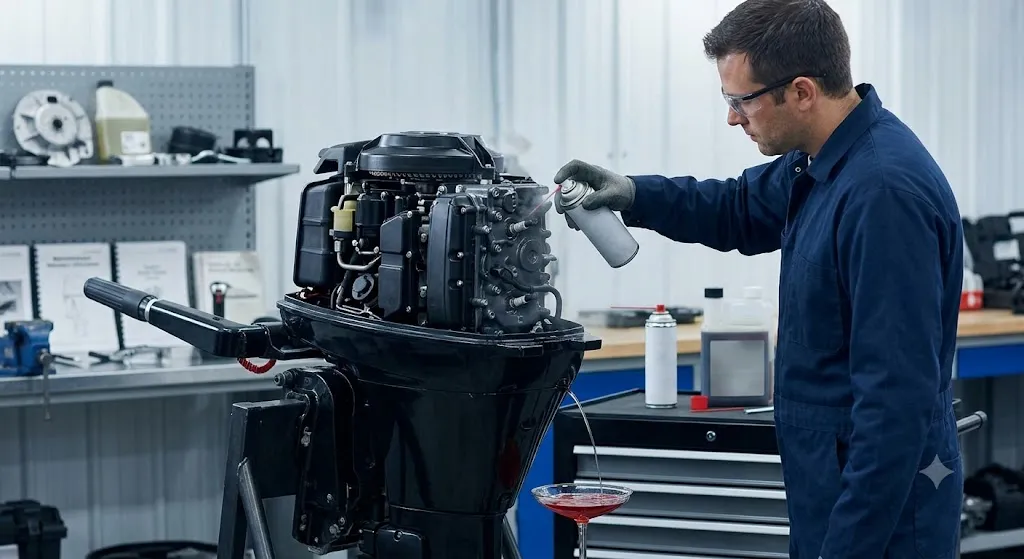
Many manuals recommend fogging oil, a light spray into the intake or spark plug holes that coats internal surfaces. This thin film helps prevent rust while the engine sits unused for months. Keep the engine off the ground on a stand or sturdy rack.
If you are unsure, ask a technician to demonstrate once. Learning the procedure takes minutes, and doing it right is one of the best protections you can give your investment before the cold season.
Change the Lower Unit Oil
Drain the gear lubricant in autumn rather than spring. Old oil may contain moisture, which can freeze, expand, and crack housings if left inside the lower unit during sustained cold weather. Always dispose of old lubricant responsibly at a recycling center.
Refill with fresh oil and check for a milky look that signals water entering through worn seals. Spotting this now gives you time to arrange a repair at your convenience. Peace of mind comes from knowing the lower unit is healthy.
Pick the Right Storage Spot
A dry, ventilated garage or shed is ideal. Keep the engine upright in its normal running position, so residual water drains properly and internal parts rest in a safe orientation.
Avoid wrapping it tightly in plastic, which traps humidity and encourages corrosion. A breathable cover keeps dust away while allowing air to circulate and moisture to evaporate. Hanging a small moisture absorber nearby can be a useful extra layer of protection.
Look After the Battery
Disconnect and remove the battery, clean the terminals, and store it somewhere cool and dry. Connect a maintenance charger monthly, or use a trickle device designed for long-term storage. Label the cables before disconnecting so reinstallation is quick.
A neglected battery can lose capacity permanently. Replacing one in spring is annoying and costly, yet proper winter care adds years to its life with only a few minutes of effort. A fully charged battery in spring makes the first start effortless.
Inspect the Spark Plugs
While you are at it, remove the spark plugs and inspect them. Dark, oily, or white chalky deposits can reveal how the engine has been running. Replace worn plugs now, so spring starting becomes simple and reliable. A calm decision made in January beats a hurried one in April.
Apply a dab of anti-seize if your manual recommends it, and torque the plugs to specification. Careful work here prevents stripped threads, which are painful to repair and easily avoided with a little patience. Keep the old plugs in a labeled bag so that you can compare their wear next season.
Conclusion
Winter is the perfect time to think ahead. Use it to review service records, make a list of needed parts, and think about whether a bigger or newer model makes sense next year.
Early planning also helps with pricing and availability. Popular models often sell out as warm weather returns, so deciding in the off-season gives you more choice and a much calmer buying experience.