
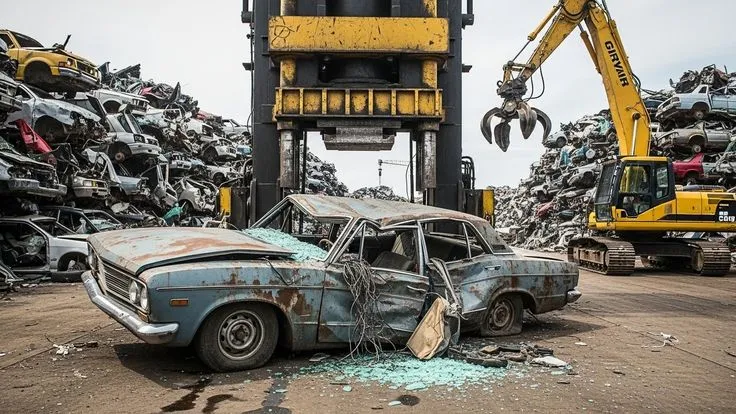
An aging vehicle can become a financial burden long before it completely stops working. Frequent repairs, increasing maintenance bills, and declining reliability may eventually make ownership difficult to justify. Some drivers continue repairing their vehicles because they have already invested substantial money in them. Others begin considering Scrap Car Removal when the cost of keeping a vehicle operational becomes unreasonable. Understanding when disposal makes more sense than another repair can help owners avoid unnecessary expenses and make practical decisions about an aging car.
Understanding the True Cost of Vehicle Ownership
The purchase price is only one part of the money spent on a vehicle. Insurance, registration, servicing, replacement parts, and unexpected repairs can contribute significantly to long-term ownership costs.
An older vehicle may require attention more frequently as major components deteriorate. Although routine maintenance can extend its useful life, repeated mechanical failures may eventually outweigh the value of continued investment.
Owners should calculate their recent repair expenses rather than relying only on how much they originally paid. Previous spending cannot be recovered simply by continuing to repair the vehicle.
When Repair Bills Exceed Practical Value
A car with a damaged transmission, failing engine, or serious electrical problems may require expensive repairs. The cost can sometimes approach or exceed the amount the vehicle would be worth in working condition.
However, comparing repair expenses with market value is only the beginning. Owners should also consider the car’s overall condition, the likelihood of additional failures, and how much reliable transportation they would receive from the proposed repair.
A reasonably priced repair may still make sense if the vehicle is otherwise sound. Conversely, a cheaper repair may offer little value when several major problems remain unresolved.
Safety Should Influence the Decision
Financial considerations should never overshadow vehicle safety. Severe structural corrosion, damaged suspension components, unreliable brakes, or significant collision damage can make an old vehicle dangerous to operate.
A qualified mechanic can explain whether identified problems can be repaired safely. Certain defects may require replacement components or structural work that is difficult to justify on a heavily deteriorated car.
Owners should avoid driving vehicles that have been declared unsafe. Arranging suitable transportation or professional collection is preferable to taking unnecessary risks.
The Difference Between Selling and Scrapping
Selling a working used vehicle can be a reasonable option when it remains roadworthy and attractive to buyers. Even vehicles requiring minor repairs may have resale value.
Scrapping becomes more relevant when a vehicle is no longer economical to repair, has extensive damage, or is unlikely to pass required inspections.
The appropriate choice depends on local demand, vehicle condition, documentation, and the amount a buyer or recycler is prepared to offer.
Signs That Disposal May Be Worth Considering
Every vehicle is different, but several recurring circumstances can indicate that continued ownership deserves reconsideration.
Common examples include:
- Repeated breakdowns affecting essential transportation.
- Repair estimates exceeding realistic resale value.
- Extensive corrosion or structural deterioration.
- Significant accident damage.
- Major mechanical failures affecting multiple systems.
- Long-term storage of a vehicle that no longer runs.
These conditions do not automatically mean a car must be scrapped. They provide reasons to compare available options more carefully.
Preparing for a Responsible Disposal Decision
Before arranging collection, owners should gather vehicle documents, confirm legal ownership, and remove personal possessions.
It is equally important to ask how the vehicle will be processed. Responsible vehicle recycling generally involves handling hazardous fluids, batteries, tires, and other materials appropriately before reusable parts and metals are recovered.
Vehicle owners should also clarify payment arrangements, towing charges, and the documentation they will receive after collection.
Avoiding Emotional and Financial Pressure
Some people feel reluctant to dispose of a vehicle associated with family memories or important life events. Others fear making the wrong financial decision and repeatedly postpone necessary repairs or disposal.
A practical evaluation helps separate emotional attachment from transportation needs. Comparing written repair estimates, realistic resale offers, and replacement costs can make the decision clearer.
Owners should take enough time to understand their options rather than accepting a rushed offer simply because the vehicle has become inconvenient.
Conclusion
Deciding whether to repair or dispose of an aging vehicle requires careful attention to safety, reliability, market value, and future expenses. A vehicle does not have to stop running completely before disposal becomes financially reasonable. Comparing repair costs with realistic alternatives helps owners make informed choices. Scrap Car Removal represents a disposal option to investigate when an unwanted vehicle has reached the end of its practical working life. The best decision is one that protects personal finances while ensuring the vehicle is handled responsibly.