
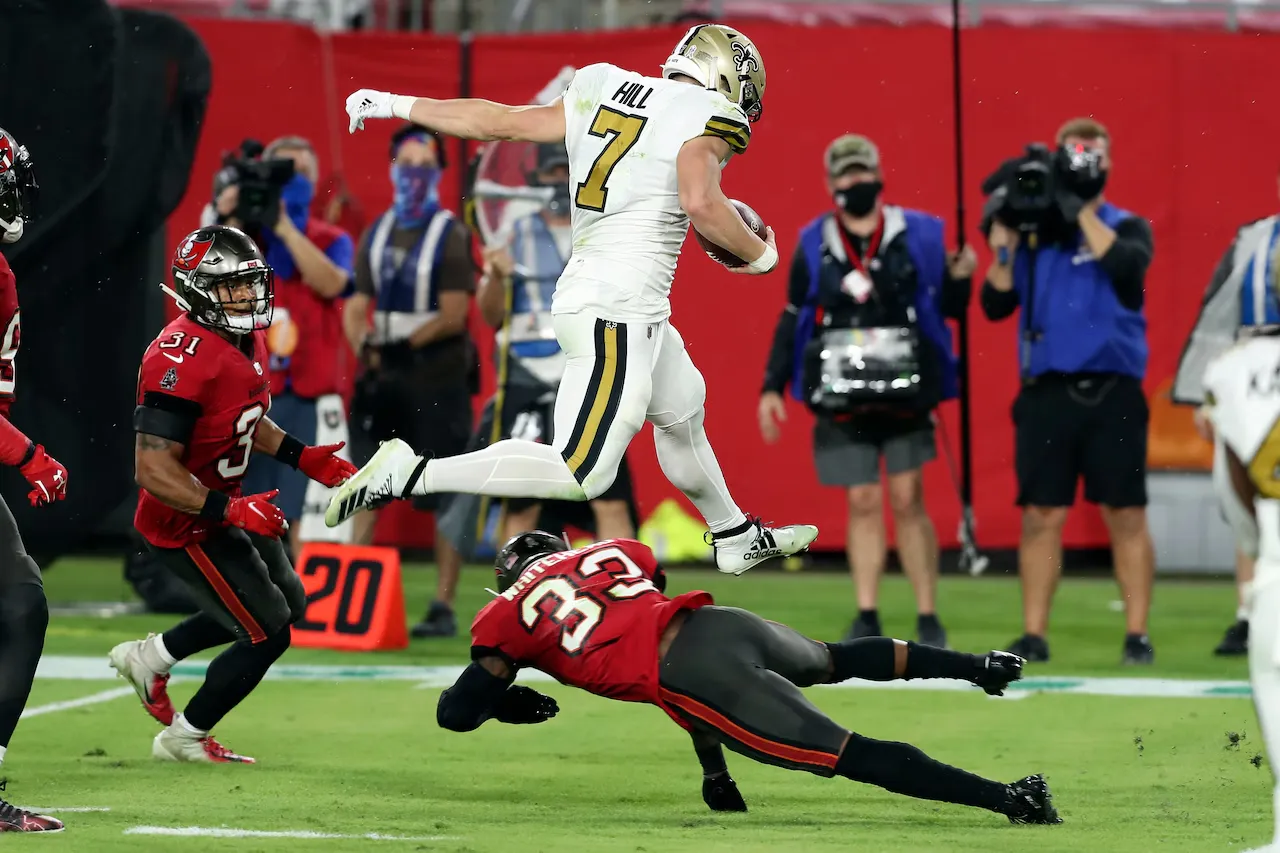
tampa bay buccaneers vs new orleans saints match player stats offer an in-depth look into a high-stakes NFL matchup where offensive innovation met defensive resilience. From kickoff, both teams displayed contrasting philosophies: the Buccaneers focused on dynamic passing and explosive playmaking, while the Saints emphasized disciplined offense and strategic defensive rotations. The tampa bay buccaneers vs new orleans saints match player stats uncover how individual contributions, coaching adjustments, and team tactics defined the flow of the game.
Early metrics indicated a fast-paced, back-and-forth contest. Tampa Bay’s passing game sought to stretch the field, while New Orleans relied on controlled drives and methodical execution. These dynamics are fully reflected in the tampa bay buccaneers vs new orleans saints match player stats, highlighting not just yardage and points, but situational performance, efficiency, and game-changing moments.
Opening Quarter Dynamics and Strategy
The first quarter emphasized field position, possession control, and early rhythm. Tampa Bay utilized quick passes and vertical threats to test the Saints’ secondary, while New Orleans relied on high-percentage plays and ball control to manage tempo. Turnover ratios and passing efficiency in this period set the tone for subsequent quarters.
The tampa bay buccaneers vs new orleans saints match player stats reveal how defensive pressure, third-down conversions, and red-zone efficiency shaped early momentum.
Buccaneers Offensive Output and Player Contributions
Tampa Bay’s offense combined precision passing, creative play design, and individual athleticism. Quarterback efficiency and receiver yards after catch highlighted high-impact plays, while offensive line performance enabled explosive drives. Key contributors affected the game beyond points, including crucial third-down conversions, critical blocks, and sustained drives.
The tampa bay buccaneers vs new orleans saints match player stats illustrate that Tampa Bay’s offensive effectiveness stemmed not just from yardage totals, but from situational execution, timing, and decision-making under pressure.
Saints Offensive Efficiency and Execution
New Orleans showcased disciplined offensive schemes, emphasizing high-percentage passes, balanced rushing attempts, and time-of-possession control. Completion percentage, rushing yards, and red-zone efficiency metrics highlighted their strategic approach.
The tampa bay buccaneers vs new orleans saints match player stats underscore the Saints’ ability to sustain drives, minimize mistakes, and capitalize on opportunities despite Tampa Bay’s aggressive defensive front.
Defensive Performance and Game Influence
Defense played a pivotal role. Tampa Bay applied pressure on the quarterback, forced turnovers, and limited explosive plays. Defensive stats such as sacks, interceptions, and quarterback pressures reveal how impactful defensive execution disrupted New Orleans’ rhythm.
The Saints countered with versatile coverage, disciplined tackling, and containment on key plays. Opponent completion percentage and defensive stops highlighted their adaptability and resilience, captured in the tampa bay buccaneers vs new orleans saints match player stats.
Special Teams and Situational Impact
Special teams contributed to field position, momentum shifts, and scoring opportunities. Punting efficiency, kickoff returns, and field-goal accuracy played critical roles in maintaining competitive balance. These metrics are integral to understanding the full spectrum of tampa bay buccaneers vs new orleans saints match player stats.
Key Player Performances
Several players had decisive moments. Tampa Bay’s quarterback delivered key throws under pressure, while receivers created separation and converted critical third downs. New Orleans’ running backs and receivers consistently contributed to sustained drives. Timing, situational awareness, and efficiency reflected in the tampa bay buccaneers vs new orleans saints match player stats showcase individual impact beyond standard yardage and scoring totals.
Quarterback Efficiency and Decision-Making
Quarterback performance was central to both offenses. Passing efficiency, decision-making under pressure, and ability to read defenses influenced the outcome. The tampa bay buccaneers vs new orleans saints match player stats reveal completion percentage, interception avoidance, and high-pressure success rates as critical indicators of quarterback influence.
Running Game Contributions
Rushing stats highlighted balance and unpredictability. Tampa Bay’s ground game supported play-action passes, while New Orleans’ backs consistently gained yardage after contact, maintaining drive momentum. Rushing efficiency, yards per carry, and red-zone conversions appear prominently in the tampa bay buccaneers vs new orleans saints match player stats.
Turnovers and Game-Changing Plays
Turnovers were a defining factor. Forced fumbles, interceptions, and penalties impacted momentum. The tampa bay buccaneers vs new orleans saints match player stats track how these high-leverage plays shifted field position, scoring opportunities, and psychological advantage.
Red-Zone and Scoring Efficiency
Red-zone metrics demonstrated execution under pressure. Both teams converted key opportunities into points, reflecting strategic planning and individual performance. Field-goal accuracy, touchdown conversions, and play-calling efficiency are central to understanding the tampa bay buccaneers vs new orleans saints match player stats.
Defensive Line and Pass Rush Metrics
Pass-rushing stats highlighted pressure applied to quarterbacks, affecting decision-making and completion percentage. Tampa Bay’s defensive line disrupted timing, while New Orleans’ front seven contained key gaps. Metrics like QB hurries and sacks are critical to evaluating defensive contributions, illustrated in the tampa bay buccaneers vs new orleans saints match player stats.
Wide Receiver and Tight End Efficiency
Targeted receiver metrics, including yards after catch, catch rate, and third-down conversions, showed which players maximized scoring opportunities. Both Tampa Bay and New Orleans relied on receivers and tight ends to extend drives, sustain momentum, and create explosive scoring chances.
Coaching Decisions and Tactical Adjustments
Coaches influenced play-calling, substitutions, and game tempo. Tampa Bay emphasized vertical passing and situational aggressiveness, while New Orleans focused on possession control and minimizing turnovers. Timeout usage and adjustments shaped momentum, highlighted in the tampa bay buccaneers vs new orleans saints match player stats.
Momentum Swings Quantified
Momentum shifts were visible through scoring runs, defensive stops, and turnover sequences. Tampa Bay generated key bursts with explosive passing plays, while New Orleans leveraged controlled drives and third-down conversions. These swings are captured numerically in the tampa bay buccaneers vs new orleans saints match player stats.
Player Development and Team Insights
The stats provide insights into player growth, strategic implementation, and team identity. Tampa Bay’s dynamic playmakers demonstrated adaptability under pressure, while New Orleans’ consistent execution emphasized veteran poise. The tampa bay buccaneers vs new orleans saints match player stats offer actionable insights for coaching, fan analysis, and player evaluation.
Why These Stats Matter
The tampa bay buccaneers vs new orleans saints match player stats go beyond basic box scores, illustrating how preparation, execution, and situational awareness converge to define NFL outcomes. Every yard gained, defensive stop made, and high-leverage play contributed to the narrative, offering a clear picture of team performance and individual impact.
Read also:
memphis grizzlies vs sacramento kings match player stats Reveal High-Stakes NBA Action