
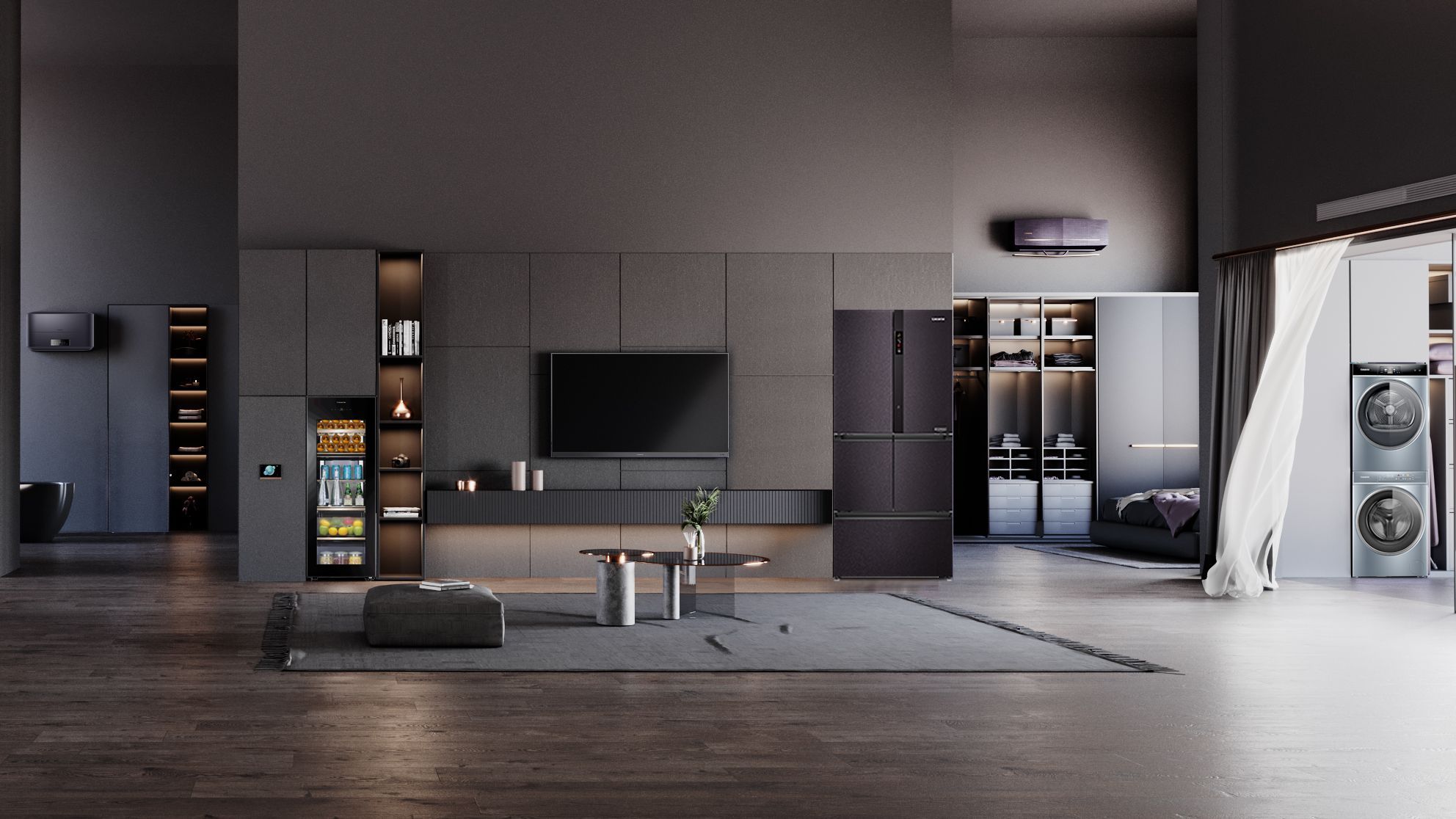
Smart home electronics are quietly transforming ordinary houses into intelligent living spaces. From voice-controlled lighting to automated security systems, modern technology is making daily routines easier, safer, and more efficient. What once seemed like science fiction is now becoming part of everyday life in homes around the world.
Imagine arriving home after a long day and the lights turn on automatically, the temperature adjusts to your comfort level, and your favorite music begins playing softly in the background. These conveniences are no longer limited to futuristic movies. They are now possible thanks to connected devices designed to work together seamlessly.
As more households embrace automation and connectivity, the demand for intelligent home technology continues to grow. Understanding how these systems work and how they benefit homeowners can help people make informed decisions when upgrading their living spaces.
Understanding the Concept of Smart Homes
A smart home is a living space equipped with connected devices that communicate with each other through the internet or local networks. These devices can be controlled remotely using smartphones, tablets, or voice assistants.
Instead of manually adjusting lighting, thermostats, or security systems, homeowners can automate these tasks. Sensors, software, and connectivity allow devices to respond to changing conditions or user preferences.
The idea behind smart home electronics is not just convenience but also efficiency and safety. When devices share information and work together, they create a more responsive and personalized environment.
For example, lights can turn off automatically when a room is empty, or the heating system can adjust based on the weather outside.
How Smart Home Electronics Improve Daily Life
Technology becomes truly valuable when it simplifies everyday routines. Smart devices are designed to handle repetitive tasks so homeowners can focus on more meaningful activities.
Lighting systems can automatically adjust brightness based on time of day. Smart thermostats learn household temperature preferences and optimize heating or cooling accordingly.
Security cameras provide real-time monitoring of homes even when owners are traveling. Door locks can be controlled remotely, allowing homeowners to grant temporary access to guests or service providers.
These features make modern living more comfortable while reducing the effort required to manage daily household tasks.
A Real-Life Story of a Smart Home Upgrade
A family once decided to upgrade their home with connected technology after a small incident during a vacation. They had left their home unattended for a week and returned to find that one of the lights had been accidentally left on the entire time.
Although the issue was minor, it made them realize how useful remote control and automation could be.
After installing smart home electronics, they were able to monitor lighting, security cameras, and door locks directly from their smartphones. When they traveled again months later, they checked their home regularly through their devices and even adjusted lighting schedules remotely.
The experience gave them greater peace of mind and helped them understand the real value of home automation.
Smart Lighting Systems
Lighting is often the first upgrade people make when building a smart home. Smart bulbs and lighting systems allow users to control brightness, color, and scheduling through mobile apps or voice commands.
These systems can create different moods for different situations. For instance, warm lighting may be used in the evening to create a relaxing atmosphere, while bright white light may be preferred during daytime activities.
Motion sensors can also turn lights on automatically when someone enters a room and switch them off when the room becomes empty.
This automation improves convenience while also reducing unnecessary electricity consumption.
Intelligent Climate Control
Heating and cooling systems consume a large portion of household energy. Smart thermostats are designed to optimize energy usage without sacrificing comfort.
These devices learn user habits and adjust temperature settings automatically. If the house is empty during the day, the system may reduce heating or cooling until someone returns home.
By analyzing patterns and weather data, modern thermostats maintain comfortable indoor environments more efficiently.
When integrated with smart home electronics, climate systems can respond dynamically to changes in occupancy and external temperatures.
Home Security and Surveillance
Security is one of the strongest motivations for adopting smart home technology. Connected security systems allow homeowners to monitor their property from anywhere in the world.
Smart cameras provide live video feeds and send alerts if unusual activity is detected. Motion sensors can trigger alarms or notifications when someone enters restricted areas.
Smart doorbells equipped with cameras allow homeowners to see and speak with visitors even when they are not at home.
These technologies provide an extra layer of protection and help families feel safer in their homes.
Voice Assistants and Centralized Control
One of the most appealing aspects of smart homes is the ability to control multiple devices using simple voice commands.
Voice assistants act as central hubs that connect different systems together. Users can ask the assistant to adjust lighting, play music, check the weather, or control appliances.
This seamless interaction makes technology feel natural and intuitive rather than complicated.
The integration of smart home electronics with voice-controlled platforms allows homeowners to manage their entire environment without needing multiple remote controls or apps.
Energy Efficiency and Environmental Benefits
Energy efficiency is becoming increasingly important as global energy demands continue to rise. Smart home technology can play a significant role in reducing energy consumption.
Automated lighting ensures that lights are not left on unnecessarily. Smart thermostats reduce heating or cooling when homes are unoccupied.
Appliances connected to smart systems can operate during off-peak hours when electricity demand is lower.
These small adjustments add up over time, helping homeowners reduce energy bills while also contributing to environmental sustainability.
Smart Kitchens and Connected Appliances
The kitchen is another area where technology is transforming everyday routines. Modern appliances now include connectivity features that allow them to interact with other devices.
Smart refrigerators can monitor food inventory and send reminders when items are running low. Ovens can be preheated remotely using smartphone apps.
Coffee makers can be programmed to start brewing automatically in the morning.
These innovations demonstrate how smart home electronics are gradually becoming integrated into every aspect of household life.
Integration with Mobile Devices
Smartphones have become the primary control center for modern homes. Through dedicated apps, homeowners can monitor and manage connected devices from virtually anywhere.
Mobile integration allows users to receive alerts about security events, energy usage, or system malfunctions.
If a door is left unlocked or a motion sensor detects unusual movement, notifications appear instantly on the homeowner’s device.
This level of connectivity provides both convenience and reassurance, especially for people who travel frequently.
Data Security and Privacy Considerations
As homes become more connected, protecting personal data becomes increasingly important.
Smart devices collect and transmit information about household activity patterns. This data helps systems operate more efficiently, but it also requires strong security measures.
Manufacturers and service providers must implement encryption and secure authentication to protect user information.
Homeowners should also ensure that their devices are updated regularly with the latest security patches.
Responsible use of smart home electronics includes understanding the importance of privacy and digital protection.
The Role of Artificial Intelligence in Smart Homes
Artificial intelligence is playing an increasingly important role in the evolution of smart home technology.
AI-powered systems analyze user behavior and adapt automatically to changing habits. Over time, they learn patterns such as preferred lighting levels, temperature settings, and daily routines.
This learning capability allows homes to anticipate the needs of occupants rather than simply responding to commands.
For example, an AI-powered system may gradually adjust lighting and temperature before residents wake up, creating a comfortable environment without manual input.
Future Innovations in Smart Home Technology
The future of home automation promises even more advanced capabilities. As connectivity improves and devices become more sophisticated, smart homes will continue evolving.
Future systems may integrate health monitoring sensors, advanced robotics, and predictive maintenance technology.
Imagine appliances that detect potential problems before they occur or home systems that adjust energy usage based on real-time electricity prices.
As technology advances, smart home electronics will likely become more accessible and integrated into everyday living environments.
Building a Connected Lifestyle
Adopting smart home technology is not just about installing gadgets. It is about creating a connected ecosystem that improves comfort, efficiency, and security.
Each device contributes to a larger system designed to simplify everyday life.
When lighting, climate control, security systems, and appliances work together, they create a responsive environment tailored to the homeowner’s preferences.
Over time, these connected technologies redefine what it means to live in a modern home, turning ordinary living spaces into intelligent environments designed for convenience and peace of mind.
Read also: