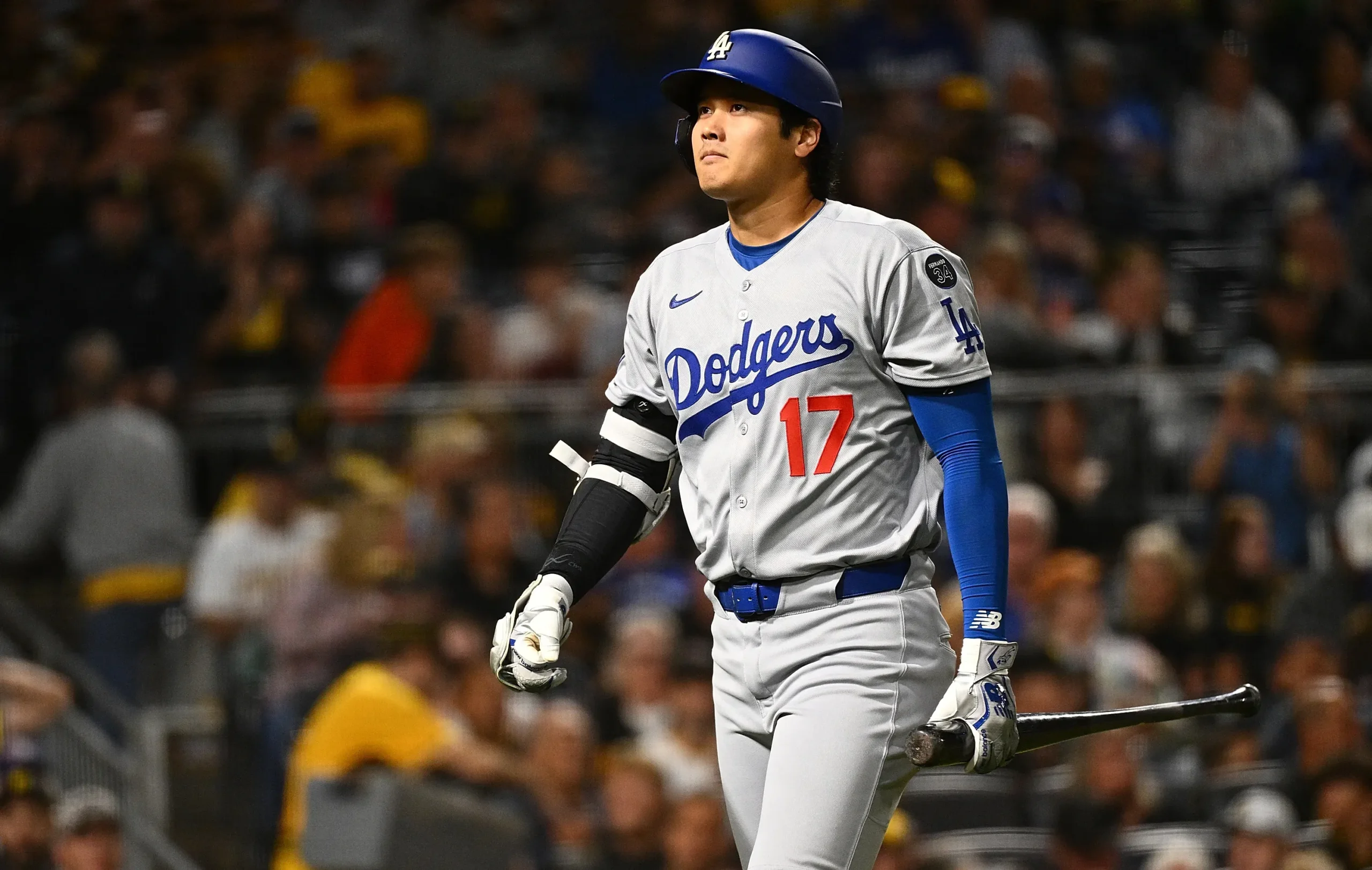
dodgers vs pittsburgh pirates match player stats instantly reveal why this interleague clash carried far more intrigue than a typical regular-season meeting. The Dodgers arrived with championship expectations and a stacked lineup, while the Pirates entered hungry, disciplined, and determined to challenge one of baseball’s most complete rosters.
From the first pitch, the contrast in styles was evident. Los Angeles leaned on power, plate discipline, and depth. Pittsburgh countered with speed, aggressive pitching, and smart situational baseball. The final numbers told a story of momentum swings, tactical decisions, and individual performances that shaped every inning.
This game was not decided by one swing or one inning. It unfolded through statistics that captured preparation, confidence, and execution.
Match Context and Competitive Atmosphere
The atmosphere surrounding this matchup felt different. The Dodgers’ reputation brought pressure, while the Pirates played with the freedom of a team eager to prove itself.
Early crowd reactions mirrored the tension on the field. Every hit, strikeout, and defensive stop felt magnified. Statistically, this intensity showed up in pitch selection, defensive positioning, and aggressive base running.
The game demanded focus, and the numbers confirmed that neither side treated it lightly.
Dodgers Offensive Performance Overview
Los Angeles entered with a clear offensive plan built on patience and power. Hitters worked deep counts, increasing pitch totals and forcing adjustments.
Batting averages remained steady, but on-base percentage stood out as a major strength. Walk rates highlighted discipline, while slugging percentages reflected the constant threat of extra-base hits.
The Dodgers’ ability to turn small opportunities into scoring chances was evident in situational hitting metrics.
Pirates Offensive Player Contributions
Pittsburgh approached offense differently. Speed and contact defined their strategy. Singles turned into scoring chances through stolen bases and aggressive advancement.
Batting averages with runners on base reflected focus under pressure. Rather than waiting for power, the Pirates manufactured runs through timing and awareness.
These choices showed clearly in run expectancy and base-running efficiency numbers.
Dodgers vs Pittsburgh Pirates Match Player Stats in the Opening Innings
The early innings were a study in control. Dodgers pitchers attacked the zone, keeping walks low and strikeouts consistent.
Pirates hitters responded with quick swings, prioritizing contact to avoid falling behind in counts. Defensive efficiency remained high, with minimal errors on both sides.
Early stats suggested a tactical duel rather than a slugfest, setting the tone for the middle innings.
Pitching Matchups and Command Metrics
Pitching defined the flow of the game. The Dodgers’ starter relied on velocity and movement, producing a strong strikeout-to-walk ratio.
Pittsburgh’s starter emphasized location and sequencing, limiting hard contact despite facing a powerful lineup. Ground-ball rates played a key role in controlling damage.
Advanced metrics such as WHIP and pitch efficiency revealed how both pitchers navigated pressure situations.
Defensive Execution and Field Awareness
Defense quietly shaped outcomes. Dodgers infielders showcased range, converting difficult plays that prevented extended innings.
Pirates outfielders demonstrated strong positioning, cutting off extra bases and holding runners. Defensive runs saved reflected preparation and communication.
These defensive stats often go unnoticed, yet they influenced scoring more than any single at-bat.
Star Player Impact Through Numbers
Star players delivered without overshadowing team effort. Dodgers leaders produced high exit velocities and clutch RBIs.
Pirates standouts influenced the game through stolen bases, defensive assists, and timely hits. Their impact extended beyond box scores into momentum shifts.
Analyzing dodgers vs pittsburgh pirates match player stats shows how leadership manifests in different ways across teams.
Mid-Game Adjustments and Tactical Shifts
As the game progressed, adjustments became visible. Dodgers hitters shortened swings, improving contact rate against breaking pitches.
Pirates pitchers altered sequencing, increasing off-speed usage to disrupt timing. Bullpen decisions reflected trust in matchups rather than rigid roles.
These adjustments appeared in efficiency metrics and opponent batting averages after the fourth inning.
Dodgers vs Pittsburgh Pirates Match Player Stats at the Midpoint
By the fifth inning, the stat sheet showed balance. Runs were earned, not gifted.
Los Angeles held a slight edge in on-base percentage, while Pittsburgh led in stolen bases and defensive efficiency.
This contrast highlighted how different paths can lead to competitive parity.
Bench Contributions and Depth Performance
Depth played a meaningful role. Dodgers bench players delivered quality at-bats, extending innings and maintaining pressure.
Pirates reserves contributed defensively and on the bases, preserving energy and momentum.
Though not headline-grabbing, bench OPS and defensive metrics showed how depth supported overall performance.
Late Innings Pressure and Execution
The late innings tested composure. Dodgers hitters maintained plate discipline, reflected in walk rates under pressure.
Pirates pitchers executed high-leverage pitches, limiting damage and keeping the game within reach.
Clutch performance stats, including leverage index outcomes, revealed who thrived when tension peaked.
Dodgers vs Pittsburgh Pirates Match Player Stats in High-Leverage Moments
High-leverage situations separated execution from intent. Dodgers converted opportunities through smart situational hitting.
Pirates countered with aggressive pitching, increasing strikeout rates with runners in scoring position.
These moments defined the game’s narrative, visible through win probability shifts and situational efficiency.
Advanced Analytics and Deeper Insights
Advanced metrics added clarity. Dodgers’ wOBA highlighted consistent offensive pressure even without big innings.
Pirates’ BABIP reflected contact quality and defensive positioning. Pitch spin rates and release consistency influenced swing-and-miss rates.
The dodgers vs pittsburgh pirates match player stats demonstrated how modern analytics deepen understanding beyond traditional numbers.
Experience Versus Energy Narrative
Los Angeles leaned on experience, showing patience and situational awareness.
Pittsburgh played with youthful energy, embracing risk and speed. Both approaches succeeded in different moments.
Statistical comparisons illustrated how baseball accommodates diverse philosophies within the same game.
Coaching Influence Reflected in Statistics
Managerial decisions shaped outcomes. Dodgers utilized platoon advantages, reflected in favorable splits.
Pirates emphasized matchup pitching, evident in bullpen usage patterns.
Timeout equivalents, mound visits, and substitutions aligned closely with statistical shifts.
Physicality, Pace, and Game Rhythm
The pace fluctuated intentionally. Dodgers slowed the game through extended at-bats.
Pirates sped it up with quick swings and aggressive base running.
These rhythms influenced pitch counts, fatigue indicators, and late-inning efficiency.
Season Implications and Broader Context
This game carried weight beyond the scoreline. Dodgers reinforced their reputation for disciplined excellence.
Pirates showcased growth, resilience, and tactical maturity against elite competition.
Analysts will revisit these dodgers vs pittsburgh pirates match player stats when evaluating season trajectories.
Decision-Making and Baseball IQ
Smart decisions defined success. From pitch selection to base running choices, awareness translated into measurable advantages.
Low error counts and efficient situational play reflected preparation and trust.
The numbers rewarded teams that thought the game as much as they played it.
Statistical Storytelling Without Closure
The dodgers vs pittsburgh pirates match player stats captured preparation, adaptability, and competitive spirit layered into a compelling MLB matchup.
Read also:
Chicago Cubs vs Mets Match Player Stats Analysis