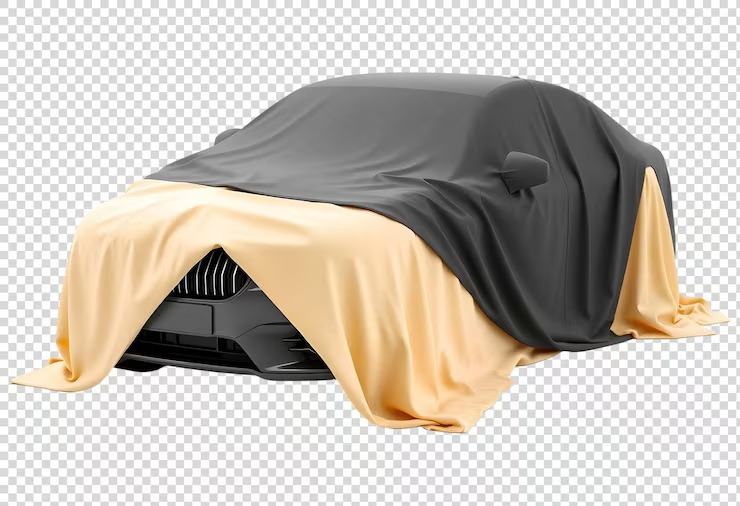
How High Quality Car Covers Protect Vehicles from Extreme Sun and Environmental Damage
Outdoor vehicle storage exposes cars, trucks, boats, and RVs to continuous environmental stress. Ultraviolet radiation, airborne pollutants, dust, moisture, and heat cycles gradually degrade finishes, seals, and interior materials. As climate patterns shift and heat waves intensify, sun exposure has become one of the most significant contributors to long term cosmetic and structural damage.
A properly engineered sun protection car cover is not simply a cosmetic accessory. It is a preventive barrier designed to reduce UV penetration, lower surface temperatures, and limit oxidation. High quality car covers also reduce exposure to dust abrasion, tree sap, bird droppings, and industrial fallout.
This guide explains how sun damage occurs, what material standards matter, and how to select protective covers that support long term asset preservation across vehicles and outdoor equipment.
Why Sun Exposure Is a Serious Threat to Vehicles
UV Radiation and Paint Degradation
Ultraviolet radiation breaks down the chemical bonds in automotive paint and clear coat layers. Over time, this leads to fading, chalking, and loss of gloss. According to the United States Environmental Protection Agency, UV radiation is a primary cause of material degradation in polymers, coatings, and plastics.
Automotive clear coats rely on stabilizers and UV absorbers, but these protections diminish with prolonged exposure. Dark colored vehicles absorb more heat, accelerating oxidation.
Heat Build-Up Inside the Cabin
Interior components face equal risk. The National Highway Traffic Safety Administration reports that interior vehicle temperatures can rise by more than 20°F within 10 minutes in direct sunlight. Prolonged exposure contributes to dashboard cracking, upholstery fading, and adhesive breakdown.
A sun protection car cover helps reduce direct radiation, limiting temperature spikes and slowing interior material fatigue.
Understanding the Engineering Behind High Quality Car Covers
Not all covers provide the same level of protection. Material construction, breathability, UV stability, and fit determine performance.
Multi-Layer Construction
High quality car covers often use multi-layer composite fabrics. These typically include:
- An outer UV-resistant layer
- A middle waterproof or water-resistant membrane
- A soft inner lining to reduce abrasion
UV resistance is commonly enhanced using stabilizers tested under ASTM G154 or similar accelerated weathering standards. These laboratory simulations expose materials to controlled UV cycles to measure degradation rates.
Breathability and Moisture Control
Trapped moisture can damage paint and encourage corrosion. According to the American Iron and Steel Institute, corrosion is accelerated by moisture and oxygen exposure on metal surfaces.
Breathable fabrics allow condensation to escape while blocking rain and debris. This balance is essential for long term outdoor storage.
The Role of a Sun Protection Car Cover in Hot Climates
Vehicles stored in regions with intense solar radiation require targeted UV defense. Heat and radiation are not uniform across climates. Areas with high UV index ratings expose vehicles to faster material degradation.
Surface Temperature Reduction
Reflective outer fabrics help deflect a portion of solar radiation rather than absorbing it. Lighter colored covers generally perform better in reducing surface heat buildup compared to darker fabrics.
By minimizing direct sunlight contact, a sun protection car cover reduces:
- Clear coat oxidation
- Plastic trim brittleness
- Interior dye fading
- Rubber seal cracking
Protection During Daily Outdoor Parking
Even short daily exposure accumulates over time. Vehicles parked at workplaces, airports, or residential complexes without covered garages experience consistent UV stress. High quality car covers provide a repeatable barrier in these scenarios.
Environmental Contaminants Beyond Sunlight
Sun exposure is only one factor. Airborne pollutants and debris also affect vehicle longevity.
Industrial Fallout and Acidic Residue
In urban and industrial areas, airborne particles settle on paint surfaces. Combined with heat and moisture, these contaminants can etch finishes. The EPA identifies acid deposition as a known contributor to surface material degradation in exposed assets.
A fitted protective cover prevents direct contact between contaminants and the vehicle surface.
Tree Sap and Organic Debris
Organic debris contains resins and acidic compounds that bond to clear coats. Removing hardened sap can require mechanical polishing, which gradually reduces paint thickness.
High quality car covers act as a sacrificial layer, absorbing environmental impact instead of the vehicle finish.
Material Standards and Testing Benchmarks That Matter
When evaluating protective covers, measurable standards provide more value than marketing claims.
UV Resistance Testing
Look for materials tested under:
- ASTM G154 or G155 for accelerated UV exposure
- ISO 4892 weathering tests
These benchmarks simulate long term sun exposure in controlled laboratory settings.
Water Resistance Ratings
Water resistance is often measured using hydrostatic head testing. This indicates how much water pressure fabric can withstand before penetration.
Outdoor covers should balance water resistance with breathability. Completely non-breathable materials may trap condensation.
Fit and Structural Design Considerations
Custom Fit vs Universal Fit
Loose covers flap in wind, creating friction against paint surfaces. Over time, this movement may cause micro-abrasions. A properly fitted cover reduces shifting and improves aerodynamic stability.
Elastic hems, reinforced grommets, and tie-down straps improve wind resistance. These features are especially important for coastal regions and open parking lots.
Reinforced Seams and Stress Points
Seams are often the first failure points. Double-stitched or heat-sealed seams increase durability. Thread material should also be UV resistant to prevent premature breakdown.
Manufacturers focused on engineered protection, such as Seal Skin Covers, prioritize seam integrity and layered construction to maintain structural stability under real-world conditions.
Long Term Storage vs Daily Use Requirements
Storage duration influences the type of cover required.
Short Term Protection
For daily parking protection, lightweight and easy-to-install covers provide convenience without sacrificing UV resistance. A sun protection car cover designed for frequent use should balance durability with manageable weight.
Long Term Outdoor Storage
Vehicles stored for months require enhanced weather resistance and moisture management. High quality car covers for long term storage often incorporate:
- Thicker multi-layer materials
- Reinforced anchoring systems
- Ventilation panels to reduce condensation
These features are equally important for boats, motorcycles, and RVs stored outdoors.
Expanding Protection Beyond Cars
Vehicle protection principles apply to multiple asset types.
Boats and Marine Equipment
Marine environments introduce salt exposure, which accelerates corrosion. Protective covers limit direct salt spray contact and reduce UV degradation of fiberglass and marine vinyl.
RVs and Travel Trailers
RVs feature larger surface areas and varied materials including rubber roofing membranes. UV exposure can degrade these materials over time. Covers designed specifically for RV dimensions prevent roof cracking and seal deterioration.
Outdoor Furniture and Patio Equipment
The same UV radiation that fades automotive paint also degrades patio cushions and synthetic wicker. According to the U.S. Department of Energy, UV radiation contributes to polymer breakdown in many outdoor materials.
Using protective covers extends service life and reduces replacement frequency.
Climate-Specific Recommendations
Desert Environments
- Prioritize reflective outer layers
- Ensure UV tested fabrics
- Secure anchoring against dust storms
Coastal Regions
- Focus on corrosion prevention
- Select breathable materials
- Reinforce tie-down systems for wind resistance
Cold and Mixed Climates
Freeze-thaw cycles introduce expansion stress. Covers must remain flexible at low temperatures without cracking.
Brands such as Seal Skin Covers design products to accommodate multiple climate types, emphasizing balanced breathability and weather resistance.
Maintenance and Care of Protective Covers
Protective covers require maintenance to remain effective.
Cleaning
Accumulated dust and pollutants reduce fabric breathability. Periodic cleaning with mild soap and water helps maintain performance.
Drying Before Storage
Covers should be fully dry before folding. Trapped moisture can lead to mildew growth on fabric surfaces.
Inspection
Check seams, elastic hems, and tie-down points for wear. Replacing a compromised cover early prevents unexpected exposure.
Common Mistakes to Avoid
- Using non-breathable plastic tarps that trap moisture
- Selecting oversized covers that flap excessively
- Ignoring UV index levels in the local climate
- Failing to secure the cover during high winds
Protective systems work best when installation and material selection align with environmental conditions.
The Long Term Economic Value of Protective Covers
Vehicle depreciation accelerates when cosmetic condition declines. Paint restoration, interior replacement, and corrosion repair are significantly more expensive than preventive covering.
Insurance industry data consistently shows that environmental damage contributes to claims related to paint repair and weather-related deterioration. Preventive strategies reduce maintenance frequency and preserve resale value.
High quality car covers represent a proactive approach to asset preservation rather than reactive repair.
Selecting the Right Solution
When evaluating protective options:
- Verify UV testing standards
- Confirm breathable waterproof construction
- Assess fit accuracy
- Review seam durability
- Consider climate-specific requirements
A sun protection car cover should be selected based on measurable material properties and realistic environmental exposure, not marketing claims.
Seal Skin Covers offers protective solutions engineered for cars, boats, trucks, motorcycles, RVs, and outdoor furniture, emphasizing material durability and climate-appropriate design. The focus remains on long term preservation through evidence-based construction standards.
Final Thoughts
Sun exposure and environmental contamination steadily degrade vehicles and outdoor equipment. UV radiation weakens polymers, heat accelerates oxidation, and moisture encourages corrosion. These processes are well documented by environmental and materials science authorities.
Using high quality car covers and a properly designed sun protection car cover reduces direct exposure, moderates temperature extremes, and supports long term material stability. When selected according to climate conditions and verified testing standards, protective covers become an essential component of responsible asset management.
Preventive protection preserves structural integrity, reduces maintenance costs, and extends the functional lifespan of vehicles and outdoor investments.