
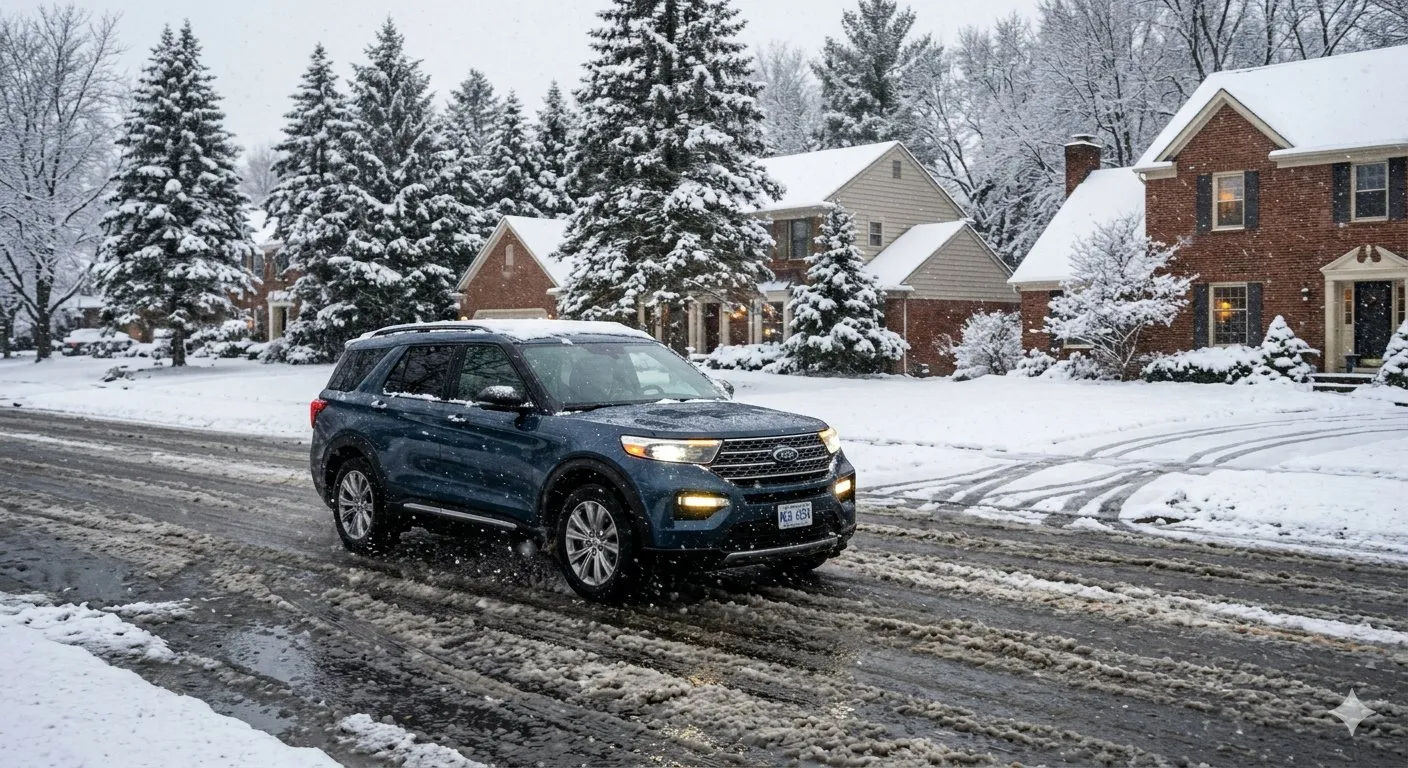
Few states test a vehicle as Michigan does. Lake-effect snow, black ice, spring potholes, summer construction, and autumn deer movement all take turns shaping daily commutes. Because risk changes with the calendar, your protection deserves more than a one-time glance. Thinking about car insurance through the seasons helps you spot gaps early, such as missing comprehensive protection or a deductible that feels heavy once repair bills begin arriving after a rough winter. Small adjustments made in good time usually cost far less later.
Winter Roads and Collision Claims
Snow and ice make low-speed fender benders and sudden slides far more common between December and March. Collision coverage pays to repair your own vehicle after hitting another car, a guardrail, or a snowbank, regardless of who caused the slide. Many drivers only realize how valuable it is after a parking lot spin. Review your deductible before the first storm, and confirm you can comfortably cover that amount if the worst happens. A quick review each autumn keeps surprises well away from you.
Spring Potholes and Hidden Damage
As the thaw arrives, roads crack, and potholes appear almost overnight. A hard hit can bend wheels, damage suspension parts, or knock alignment out of place. Collision coverage may respond to this kind of damage, though repair costs sometimes fall below the deductible. Photograph the spot, note the date, and keep repair estimates handy. Understanding how your policy treats road hazard damage prevents confusion when a mechanic hands you an unexpectedly large bill. That small habit often speeds up approval considerably.
Deer Season on Rural Routes
Michigan consistently sees a high number of deer collisions, especially around dawn and dusk in the fall. These incidents are usually handled under comprehensive coverage rather than collision, which surprises many people. Without that coverage, a single impact could leave you paying for the entire repair. If you drive country roads or commute through wooded areas, confirm that comprehensive is on your policy and that its deductible suits your budget. Rural drivers especially should never assume this protection comes included with every policy.
Summer Travel and Long Drives
Warm months bring road trips to the lakeshore, camping weekends up north, and heavier highway traffic. More miles mean more exposure, so check that your liability limits are comfortable for longer trips. Roadside assistance becomes especially useful when a breakdown happens far from home. If you plan to rent a vehicle or borrow one occasionally, ask how your policy extends. A few questions before departure can save real trouble on the road. Planning makes every mile feel a little more relaxed.
Hail, Wind, and Falling Branches
Severe thunderstorms can strike with little warning, sending hail, debris, and broken limbs onto parked vehicles. Comprehensive coverage typically handles these non-collision events, which makes it more valuable than its modest cost suggests. After a storm, document damage with clear photos before moving the car, and contact your agent promptly. Acting quickly keeps the claim organized and helps the repair process begin sooner, which matters when many neighbors are filing at once. Quick action usually means quicker repairs and calmer days ahead.
Where You Park Matters
A garage, a driveway, and a street space each carry different levels of exposure to weather and theft. When you tell your insurer where the vehicle normally sleeps, the premium can reflect that. Moving from a covered spot to open parking changes risk, and honest reporting avoids disputes later. If your living situation shifts with the seasons, such as winter storage for a second vehicle, ask whether adjusted coverage makes sense. Accuracy here quietly protects both your wallet and your claim rights.
Maintenance Supports Your Coverage
Good tires, working wipers, fresh brakes, and a healthy battery reduce the chance of a claim in the first place. Insurance responds after trouble starts, while maintenance helps prevent it. Schedule a pre-winter inspection and a spring check for suspension and alignment. Fewer claims support better long-term pricing, and a well-kept vehicle simply feels safer under your hands when conditions turn sour, whether you face sleet on a Monday morning or a downpour on Friday. Prevention remains the cheapest coverage available.
Closing Thoughts
Michigan weather rarely stays predictable, so your policy should be reviewed with the same care you give a winter wardrobe. Match deductibles to your savings, confirm comprehensive protection, and update details when your routine changes. For drivers who prefer talking through these choices with a nearby professional, Averson Insurance Agency offers personal guidance and a straightforward process, helping you stay protected through every season without paying for coverage you do not need. Your future self will appreciate the simple, steady habit.